
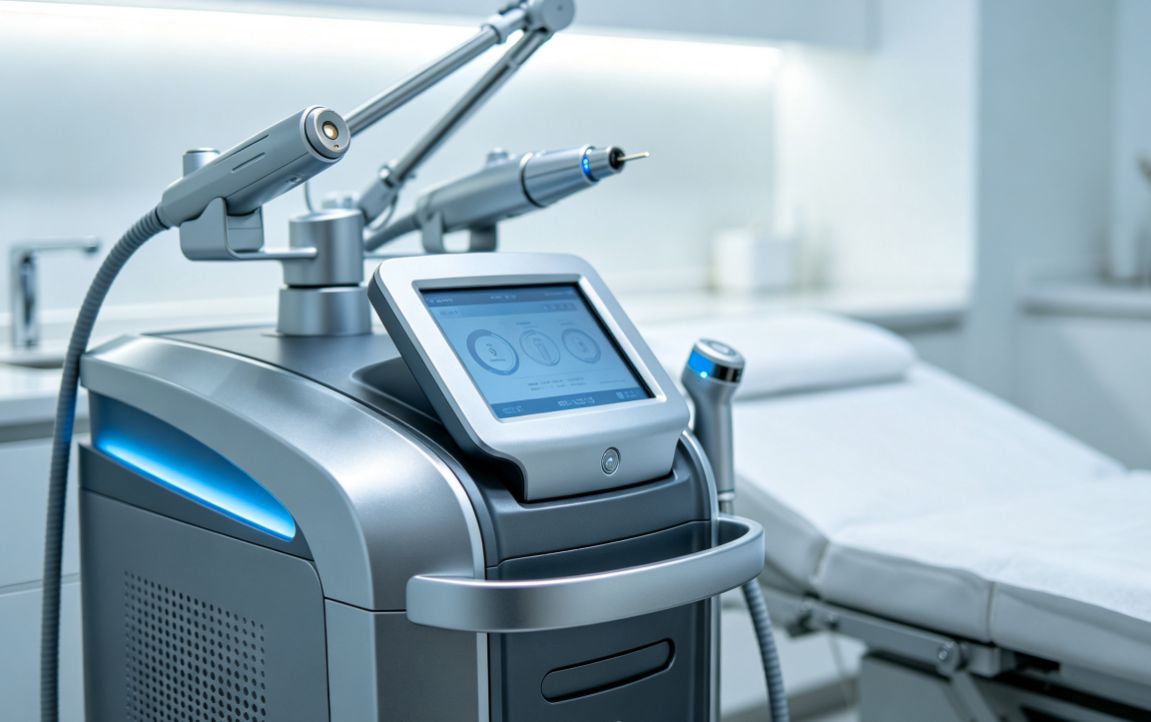
The global demand for minimally invasive cosmetic procedures has continued to rise over the past decade, reflecting growing interest in treatments that improve appearance without surgery. A dermatologist finishing a consultation today has access to far more tools than were available even a few years ago. Patients researching options often encounter physician led dermatological services like My Aesthetic Doctor while trying to understand how modern technologies fit different skin concerns. The result is a broader conversation about how innovation is changing facial rejuvenation, shifting the focus from dramatic transformations toward gradual, personalized improvements.
Technology has expanded the range of procedures available while giving medical professionals greater precision in addressing wrinkles, skin texture, pigmentation, and age-related volume loss. Rather than relying on a single approach, practitioners increasingly combine several techniques based on an individual’s anatomy, skin condition, and long-term goals.
Different Technologies, Different Purposes
Modern facial rejuvenation is less about finding one “best” treatment and more about understanding which technology matches a specific concern. Much like different medical imaging tools serve different diagnostic purposes, aesthetic devices and injectable treatments each address distinct aspects of facial aging.
Research published by the American Society for Dermatologic Surgery notes that personalized treatment planning has become an important part of cosmetic dermatology because aging affects multiple layers of the face, including skin quality, connective tissue, fat distribution, and muscle activity.
When Injectable Treatments Make Sense
Injectables remain among the most recognized non-surgical procedures because they can target dynamic wrinkles and facial volume changes with relatively little downtime.
Neuromodulators temporarily relax selected facial muscles, reducing the appearance of expression lines around the forehead and eyes. Dermal fillers, meanwhile, restore volume in areas where natural fat and collagen have diminished over time.
Data from the American Society of Plastic Surgeons indicates that minimally invasive injectable procedures continue to rank among the most commonly performed cosmetic treatments. Their popularity reflects convenience as much as effectiveness, since many appointments can be completed without lengthy recovery periods.
However, injectables are not designed to improve every aspect of skin aging. They cannot significantly correct uneven pigmentation, enlarged pores, or widespread surface damage caused by years of sun exposure.
Why Laser Technologies Continue to Evolve
Laser-assisted procedures focus on skin quality rather than facial volume. Different wavelengths target different structures beneath the skin, allowing clinicians to address pigmentation, vascular concerns, texture irregularities, or stimulate collagen remodeling.
Experts from the American Academy of Dermatology explain that laser treatments work by delivering controlled energy to specific tissue while minimizing effects on surrounding skin. Advances in cooling systems and fractional technology have improved precision and reduced recovery time for many patients.
Unlike injectables, laser procedures often require multiple sessions before gradual improvements become noticeable. Results depend on the condition being treated, skin type, and adherence to sun protection during recovery.
The comparison highlights an important distinction: injectables primarily reshape or relax selected facial structures, while laser technologies improve the condition of the skin itself.
Microneedling and the Body’s Repair Response
Microneedling represents another category of minimally invasive treatment built around a different biological principle. Instead of introducing medication or delivering light energy, fine needles create controlled micro-injuries that encourage the body’s natural healing response.
Studies published in the Journal of Clinical and Aesthetic Dermatology suggest that microneedling may improve acne scars, skin texture, and fine lines by stimulating collagen production over time.
The improvements typically develop gradually rather than immediately. Because collagen remodeling occurs over weeks or months, patients often undergo a series of treatments instead of expecting dramatic results after a single visit.
This slower timeline appeals to individuals seeking subtle changes that develop naturally rather than abrupt cosmetic differences.
The Rise of Collagen-Stimulating Techniques
Another growing area involves treatments specifically designed to encourage long-term collagen production. These approaches may include biostimulatory injectable products or energy-based devices that activate tissue remodeling beneath the skin.
The International Society of Aesthetic Plastic Surgery observes that regenerative approaches are attracting increasing interest because they emphasize gradual structural improvement instead of temporary correction alone.
Although these treatments often require patience, they illustrate a broader shift in aesthetic medicine. Rather than simply filling wrinkles, clinicians increasingly aim to support the skin’s natural regenerative processes whenever appropriate.
Technology Works Best When Combined Thoughtfully
One noticeable trend is the movement away from relying on a single procedure. Medical professionals frequently combine complementary technologies because facial aging rarely has a single cause.
A person experiencing volume loss, uneven pigmentation, and reduced skin elasticity may benefit from different treatments performed over time instead of expecting one procedure to address every concern. This layered approach reflects how physicians increasingly evaluate facial aging as a combination of structural and surface-related changes. Broader discussions about how health technology is transforming the modern med spa industry also highlight how digital diagnostics, advanced treatment planning, and evidence-based innovations are influencing modern aesthetic care.
Practices such as Maintenance Bar Med Spa + Aesthetics illustrate this broader movement within aesthetic medicine, where treatment planning emphasizes selecting appropriate technologies based on clinical evaluation rather than following temporary cosmetic trends.
Looking Beyond Technology Alone
Advanced devices continue to improve, but successful outcomes depend on more than equipment. Patient selection, medical assessment, realistic expectations, and practitioner experience remain equally important.
The U.S. Food and Drug Administration (FDA) reminds consumers that cosmetic medical devices and injectable products should be used only by appropriately trained healthcare professionals. Individual medical history, skin characteristics, and recovery expectations all influence treatment decisions.
Technology can enhance precision, yet it cannot replace sound clinical judgment. Understanding the purpose behind each treatment often proves more valuable than chasing whichever procedure happens to be receiving attention online.
Where Facial Rejuvenation Appears to Be Heading
Facial rejuvenation is gradually becoming less about reversing age and more about maintaining healthy-looking skin through carefully selected interventions. Modern technologies offer clinicians an expanding toolkit, each designed to solve different clinical challenges rather than serving as universal solutions.
As innovation continues, the conversation is shifting toward personalization. Patients who understand their treatment goals and consult qualified medical professionals are better positioned to choose approaches that match their individual needs. The most significant advancement may not be a single device or injectable, but the growing ability to combine evidence-based technologies in ways that respect both facial anatomy and natural aging.