
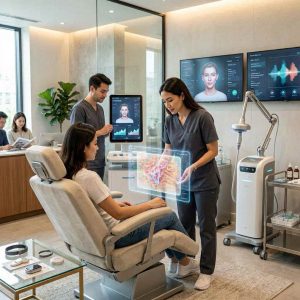
 Technology has changed almost every part of healthcare and wellness. From virtual consultations to wearable health devices, digital innovation now plays a major role in how people manage their health and appearance. One industry that has experienced major changes is the med spa sector. Modern med spas now combine healthcare, aesthetics, wellness, and advanced technology to create more personalized experiences for patients.
In the past, med spas focused mainly on cosmetic treatments and relaxation services. Today, many facilities offer advanced skin therapies, wellness programs, injectables, laser procedures, and digital health support. Patients now expect more than simple beauty treatments. They want personalized care, convenience, safety, and long-term wellness support.
Health technology helps med spas meet these changing expectations. Clinics now use digital imaging systems, artificial intelligence, online consultation platforms, and treatment tracking software to improve patient care. These tools allow providers to better understand patient needs and create more customized treatment plans.
The modern consumer is also more informed than before. Many people research treatments online, compare providers, and learn about wellness trends through social media and digital platforms. This has increased demand for clinics that use modern technology while maintaining high-quality patient care.
Technology has also helped make many treatments safer and more efficient. Advanced devices now allow providers to perform skin rejuvenation, body contouring, and wellness therapies with greater precision and shorter recovery periods. As a result, more people are exploring non-surgical treatments that fit their busy lifestyles.
The connection between health technology and med spa services continues to grow because patients increasingly value convenience, personalization, and preventive wellness. This shift is helping shape the future of the wellness and aesthetics industry.
The Role of Digital Technology in Modern Med Spas
Digital technology has improved many areas of med spa Hoboken NJ experience. One of the biggest changes is the use of virtual consultations. Patients can now discuss treatment options, skincare concerns, and wellness goals online before visiting the clinic in person. This saves time and makes services more accessible.
Electronic patient management systems are also becoming standard in many clinics. These platforms help providers organize treatment records, progress photos, appointment schedules, and patient communication. This improves efficiency while creating a more organized patient experience.
Artificial intelligence is becoming more common in aesthetic medicine as well. Some med spas now use AI-powered skin analysis systems that evaluate wrinkles, pigmentation, hydration, elasticity, and skin texture. These systems help providers recommend more personalized treatments based on detailed information.
Advanced imaging technology has also improved treatment planning. High-resolution imaging tools allow patients to see detailed views of their skin condition and track progress over time. This helps patients better understand treatment goals and realistic expectations.
Wearable health devices are influencing wellness-focused med spas too. Smartwatches and fitness trackers can monitor sleep quality, stress levels, hydration, and physical activity. Wellness providers may use this information to recommend lifestyle changes that support healthier skin and overall wellness.
Many clinics also use digital communication tools to stay connected with patients. Automated reminders, online follow-ups, and treatment tracking apps help improve patient engagement and support long-term care plans.
Laser technology is another major part of the modern med spa industry. Advanced laser systems are now used for skin rejuvenation, pigmentation treatment, hair removal, scar reduction, and collagen stimulation. Newer devices often provide faster treatments with less downtime than older technologies.
Body contouring technologies have also become more advanced. Some non-invasive systems use radiofrequency, ultrasound, or cooling technology to target fat reduction and skin tightening without surgery. These treatments attract patients who prefer less invasive options.
Technology has also improved patient education. Digital consultations, educational videos, and interactive treatment simulations help patients make more informed decisions about their care.
As med spas continue adopting digital tools, patient experiences are becoming more personalized, efficient, and data-driven.
Why Consumers Are Choosing Technology-Driven Wellness and Aesthetic Treatments
Modern consumers are increasingly interested in treatments that combine wellness, convenience, and visible results. Technology-driven med spas attract patients because they offer advanced solutions that fit busy lifestyles and changing beauty standards.
One major reason for this growth is the popularity of non-surgical treatments. Many people want aesthetic improvements without the risks, scars, or long recovery periods associated with surgery. Advanced technologies allow providers to offer treatments with minimal downtime.
Consumers also value personalization. Patients no longer want one-size-fits-all treatment plans. Digital skin analysis, wellness assessments, and advanced imaging systems help providers customize procedures based on individual concerns and goals.
Preventive wellness has become another important trend. Many people now focus on maintaining healthy skin and wellness before major concerns develop. Med spas often combine skincare, wellness support, stress management, and lifestyle guidance into long-term care programs.
Stress reduction also plays a major role in the popularity of wellness-focused med spas. Modern lifestyles can affect both physical appearance and emotional well-being. Wellness therapies, relaxation services, and self-care treatments help many patients feel refreshed and more confident.
Social media has also influenced consumer behavior. Patients are more aware of available treatments because of online content, reviews, and influencer discussions. However, this has also increased demand for natural-looking results rather than dramatic cosmetic changes.
Men are also becoming more active consumers in the med spa industry. Skin rejuvenation, body contouring, and wellness therapies are attracting a broader audience than in the past.
Younger adults are increasingly interested in preventive treatments as well. Many people now start skincare routines, collagen-support treatments, and wellness programs earlier to help maintain long-term skin quality.
Convenience is another major factor. Online booking systems, virtual consultations, and digital communication make med spa services easier to access. Patients appreciate clinics that simplify scheduling and follow-up care.
Consumers today often look for clinics that combine aesthetics with overall wellness. Many patients want providers who focus on healthy skin, stress management, hydration, sleep support, and lifestyle education rather than appearance alone.
The med spa industry continues growing because it aligns with modern preferences for personalized care, preventive wellness, and minimally invasive treatments.